

Acquiring and liquidating rare mid-century comic book collections requires navigating complex authentication standards, pedigree historical designations, and counterfeit detection protocols. High-value Golden Age key issues and rare Bronze Age first character appearances frequently attract sophisticated restoration, color touching, and page swapping designed to inflate technical grades artificially. For estate executors, long-time collectors, and family heirs, identifying whether an uncertified raw collection possesses legitimate historical pedigree status—such as Church, Promise, or White Mountain designations—is nearly impossible without specialized archival equipment and deep historical market access. Non-expert appraisers and general antique liquidators routinely miss subtle cover variants, distributor arrival date stamps, and interior pedigree markers, resulting in severe financial undervaluation during estate liquidations. Establishing true fair market value requires physical provenance verification, rigorous structural paper analysis, and direct private acquisition channels.
When evaluating rare Golden Age keys or authenticating inherited pedigree archives across the Midwest, consulting experienced paper media specialists through Comic Buying Center guarantees transparent appraisals grounded in historical sales data and grading standards. Appraisal experts at Comic Buying Center in Libertyville conduct detailed paper chemistry tests, inspect cover staples under high-power magnification, verify arrival date provenance, and execute direct cash acquisitions for complete collections without auction consignment delays.
Prioritizing physical provenance verification shields rare paper artifacts from improper grading markdowns and handling damage. Establishing direct access to qualified comic appraisers ensures that heirs and collectors receive full, immediate financial liquidity for historically significant pop-culture media.
Pedigree Collection Markers, Distributor Date Stamps, and Cover Integrity

Recognizing verified pedigree collection markers requires analyzing specific historical traits established during initial newsstand distribution. Famous pedigree archives—such as the Mile High, San Francisco, or Edgar Church collections—are renowned among archivists for exceptional paper suppleness, vibrant cover inks, and pristine off-white interior pages. Many pedigree collections feature distinct distributor marks, such as specific grease pencil numbers, arrival date stamps along upper margins, or subtle code initials applied by newsstand operators during the 1940s and 1950s.
Rather than diminishing market value, verified distributor arrival stamps often confirm legitimate provenance and historical authenticity for raw Golden Age issues. Appraisers evaluate date stamp placement, ink composition, and paper impression depth to distinguish authentic historical distributor markings from modern fraudulent alterations. Furthermore, examining cover staple alignment verifies that original factory binding remains intact. Re-stapled issues or books featuring married covers dislodged from secondary copies carry heavy market discounts compared to fully original, unrestored key issues.
Additionally, checking interior centerfold integrity is vital during physical appraisal. Missing coupon cutouts, detached centerfolds, or missing ad pages drastically lower an issue’s overall technical grade, making meticulous page-by-page inspections essential before finalizing acquisition offers.
Counterfeit Restoration Detection and Raw vs. Encapsulated Market Valuation
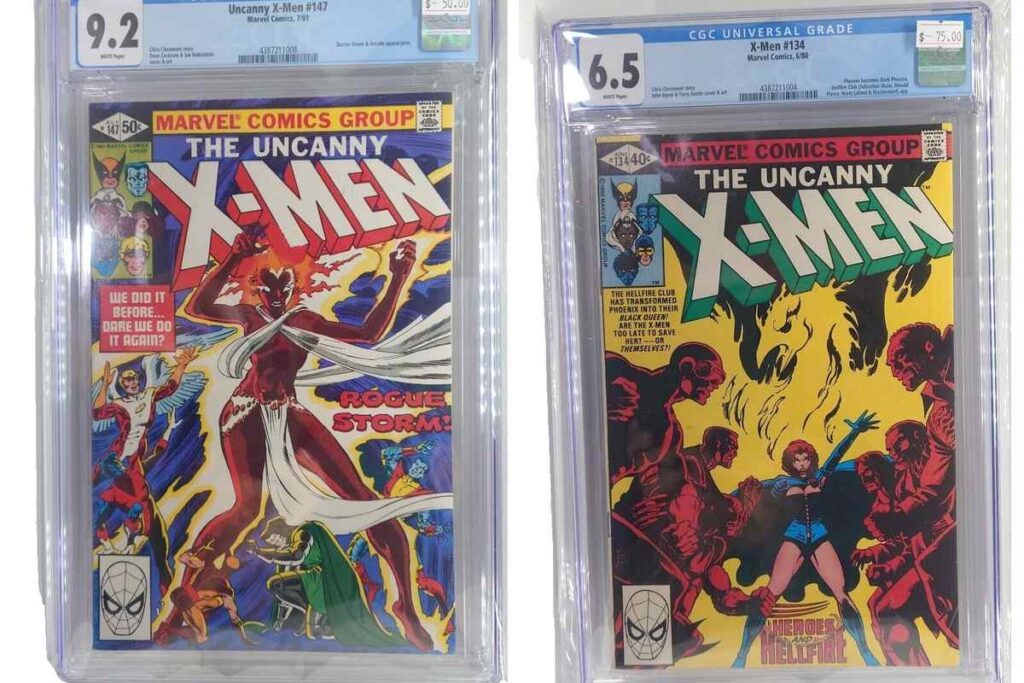
Evaluating high-stakes Silver Age keys demands identifying subtle physical restoration that alters an issue’s original state. Over past decades, amateur collectors frequently used aggressive restoration techniques—such as re-gluing split spines, pressing covers with household irons, trimming ragged cover margins, or filling color loss with non-archival acrylic inks. While these modifications temporarily improve visual appearance, professional grading bodies categorize restored books separately, assigning restored grades that significantly reduce overall commercial resale value.
Appraisers utilize ultraviolet fluorescence lighting and optical magnification devices to identify hidden chemical solvents, synthetic glue residues, and non-original paper fibers. Detecting minor color touching or edge trimming prevents buyers from overpaying for altered books while providing sellers with honest, transparent condition reports. For raw, unencapsulated key issues, professional appraisals bridge the gap between uncertified physical condition and third-party slab expectations.
Ultimately, liquidating a high-value vintage comic archive requires combining paper chemistry expertise, historical market analysis, and direct capital settlement. Partnering with established physical appraisal specialists ensures that rare cultural treasures are properly authenticated, preserved, and converted into direct financial equity.

Matthew is a creative writer with 4 years of experience crafting engaging blessing and pun-based blogs. He now brings joyful wordplay, positivity, and thoughtful humor to Pungrace.com, inspiring smiles and meaningful moments through every line he writes.